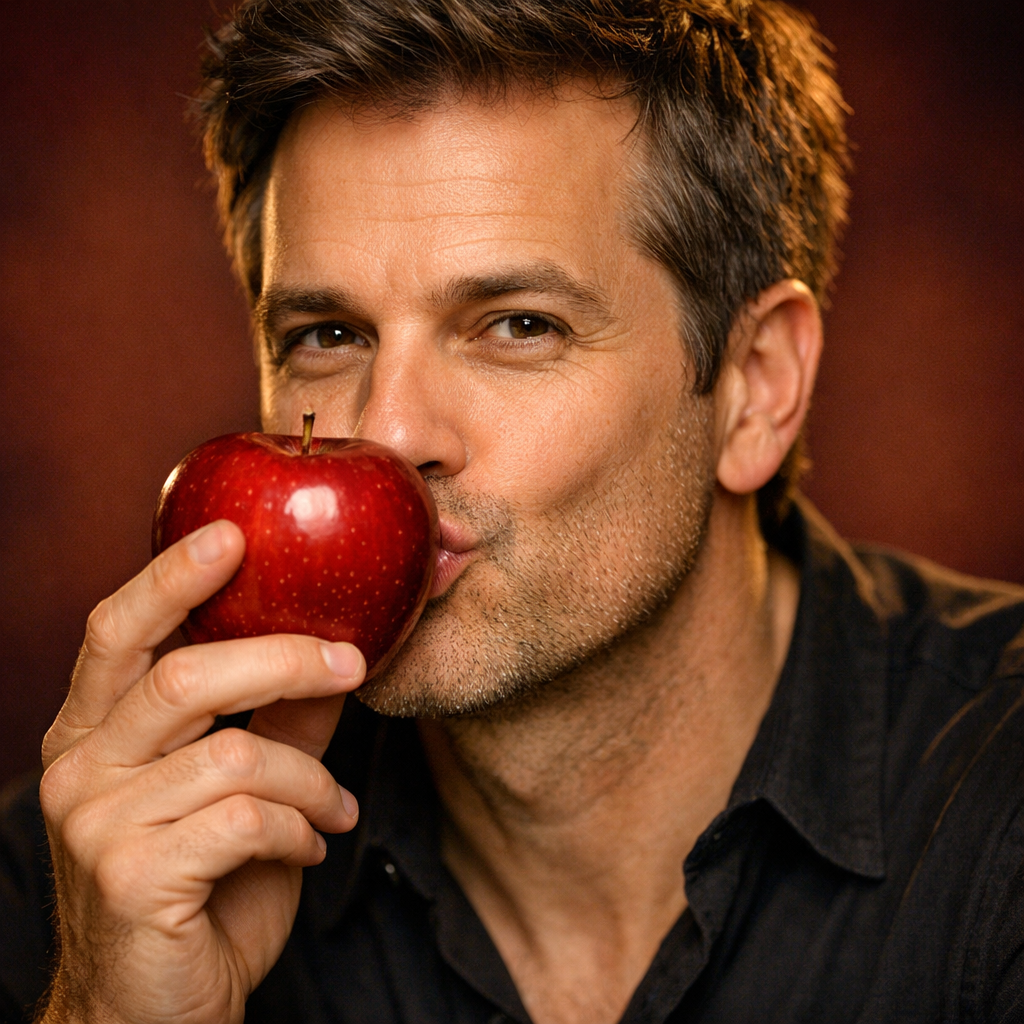
Let me tell you about the worst French kiss I ever witnessed.
I was at a college party, and this guy had clearly read some article about "assertive kissing" because he went in like he was trying to win a sword fight with his tongue. The woman he was kissing looked like she was being examined by an overeager dentist. She excused herself thirty seconds later and never came back.
That image has stayed with me for years. Not because it was traumatizing (though for her, it probably was), but because it perfectly illustrates the problem: most people think French kissing is about technique. About what your tongue is doing. About mastering some choreographed routine.
It's not.
French kissing is a conversation. And like any good conversation, it's about listening as much as speaking. Let me show you what that actually means.
Why French Kissing Terrifies People (And Shouldn't)
Here's what nobody admits: the tongue is the scariest part of kissing for most people. There's this ambient cultural anxiety around it. What if I do it wrong? What if my tongue is weird? What if they think I kiss like a washing machine?
I get it. I really do.
But here's the thing. A French kiss is just an extension of a regular kiss. It's not a completely different activity that requires its own certification. If you can kiss (and you can, I promise), you can French kiss. The tongue is just an added instrument in the orchestra, not a replacement for everything else.
The French kiss communicates something specific: desire that wants to go deeper. When someone invites you into their mouth, they're saying I want more of you. I want to be closer than lips alone can get us. That vulnerability is the whole point.
So take a breath. This isn't as hard as your nerves are making it seem.
Before Tongue Ever Enters the Picture
The biggest mistake people make with French kissing? Rushing to it.
A great French kiss never starts as a French kiss. It starts as a regular kiss that naturally deepens. You're building a fire here, not setting off fireworks. The anticipation is half the pleasure.
Begin with closed-mouth kisses. Soft ones. Let your lips press together and linger there. Pay attention to the pressure, the warmth, the way your breath starts to synchronize. This isn't the appetizer before the real thing; this is the thing. You're establishing a connection that will make everything that follows feel earned. Your lips are extraordinarily sensitive instruments -- understanding why lips are so sensitive helps explain why this gentle start matters so much.
Watch for their response. Are they leaning in? Are their lips softening, parting slightly? Are their hands pulling you closer? These signals tell you they're ready for more. If they're not there yet, stay where you are. There's no rush. The tension you're building is intoxicating.
The Invitation (How to Start)
When the moment feels right, here's how you introduce tongue without any of the awkwardness:
Part your lips slightly. Just enough that your tongue can brush against their lower lip. Not into their mouth. Just against their lip. Think of it as knocking on a door rather than barging through.
This tiny gesture sends a clear signal: I want to go deeper. Do you?
If they respond by parting their lips too, that's your invitation. If they don't, no harm done. Just continue kissing as you were. They may not be ready yet, or they may not want to go there. Either is fine. Good kissing respects boundaries without making them awkward.
When you do enter their mouth, go slow. Really slow. Let your tongue explore gently. The tip of your tongue meeting the tip of theirs. A soft brush. A moment of contact that asks a question.
The Dance: What Your Tongue Should Actually Do
Forget everything you've seen in movies. That aggressive, face-eating style of French kissing? Nobody actually enjoys receiving it. Great French kissing is subtle, varied, and responsive.
The Basics
Start small. Your tongue doesn't need to explore every corner of their mouth. Focus on their tongue. The tip against the tip. A slow circle. A gentle retreat.
Vary the pressure. Sometimes light and teasing. Sometimes more insistent. The contrast creates tension. Predictable pressure becomes boring within seconds.
Pull back regularly. French kissing works best in waves. Tongue meets tongue, then pull back to regular kissing, then return. This rhythm of advance and retreat builds intensity far better than constant contact.
Match their energy. If they're being gentle, be gentle. If they're getting hungrier, you can match that. The best French kissers are mirrors who occasionally lead.
What Not to Do
Let me be direct about the things that ruin French kisses:
- The Lizard: Rapid, darting tongue movements. You're not catching flies.
- The Invasion: Shoving your tongue in as far as it will go. Their mouth isn't a cave to spelunk.
- The Washing Machine: Endless circular motions at constant speed. Variation is everything.
- The Deadfish: A completely limp tongue that just sits there. You need to participate.
- The Slobber: Too much saliva everywhere. Keep things relatively contained.
If you've been guilty of any of these, you're not alone. These are the most common kissing mistakes, and they're all fixable with awareness.
Your Hands: The Forgotten Instruments
French kissing engages your whole body, not just your mouth. Your hands should be working too.
Cradle their face. One hand on their cheek or jaw communicates tenderness and control simultaneously. It says: I've got you. Stay here with me.
Run your fingers through their hair. The scalp is sensitive. A gentle touch there sends electricity down the spine.
Pull them closer. Hand on the small of their back, drawing them in. This signals desire that can't be contained.
Hold the back of their neck. Firmly but gently. This position naturally tilts their head for better access and creates a sense of surrender. If your partner has a beard or stubble, the physical dynamics shift a bit -- see our guide on kissing someone with a beard for specifics.
Your hands tell a story that complements what your mouth is doing. Passive hands suggest passive interest. Engaged hands suggest a person who is fully present and hungry for connection.
Reading Your Partner's Signals
The mark of a truly skilled French kisser isn't technique. It's responsiveness. You need to be reading the entire time.
Signs they want more:
- Leaning in harder
- Hands gripping tighter
- Small sounds (sighs, soft moans)
- Their tongue becoming more active
- Breath quickening
Signs to slow down or pull back:
- Pulling their head away slightly
- Lips tightening rather than softening
- Stillness (especially sudden stillness)
- Turning their head to the side
- Hands pushing rather than pulling
None of this requires stopping to ask "is this okay?" every thirty seconds (though explicit check-ins can be appropriate, especially with new partners). You develop the skill of reading these signals through attention and practice. The more present you are, the more obvious they become.
The Rhythm of a Great French Kiss
Think of the best French kiss as having a narrative arc:
The buildup: Regular kisses that deepen gradually. Anticipation building. The first brush of tongue against lip.
The dive: Tongues meeting. Exploring. The intensity increasing. Hands pulling closer. Breath getting shorter.
The plateau: Full passionate kissing. The peak of intensity. Both of you completely absorbed in the moment.
The ebbing: Gradually pulling back. Returning to softer kisses. Foreheads touching. A moment of stillness.
This arc can last thirty seconds or thirty minutes. The length matters less than the shape. Building, cresting, subsiding. Like a wave. Like breathing itself.
For the Nervous: A Simple Starting Framework
If you're new to this or rebuilding confidence after a bad experience, here's a simple progression:
- Kiss with your mouth closed for several seconds. Focus on lip pressure and breath.
- Part your lips slightly. Let them interlace with your partner's.
- Brush your tongue against their lower lip. See how they respond.
- If they open their mouth, let your tongue enter slowly. Touch the tip of their tongue.
- Retreat to regular kissing. Let the tension rebuild.
- Return with more confidence. Explore a little more.
- Use your hands. Pull them closer.
- Find a rhythm together. Advance, retreat, advance.
You don't have to follow this exactly. It's a framework, not a script. The goal is to give your nervous brain something to hold onto until instinct takes over. And it will. The body knows how to do this. Your job is to get out of its way.
The Real Secret
Here's what I've learned after studying kissing for more years than I'd like to admit: the technical details matter less than presence.
A technically imperfect kiss from someone who is fully there, fully feeling it, fully attuned to you? Unforgettable. A technically flawless kiss from someone running through a mental checklist? Forgettable within minutes.
When you French kiss someone, you're not performing. You're communicating. You're saying: I want you. I'm here. This moment matters.
Mean it. The rest follows.
The next time you're in a moment that's building toward a deeper kiss, remember: slow down, pay attention, respond to what you're receiving. Your partner will tell you everything you need to know. You just have to listen with your lips.