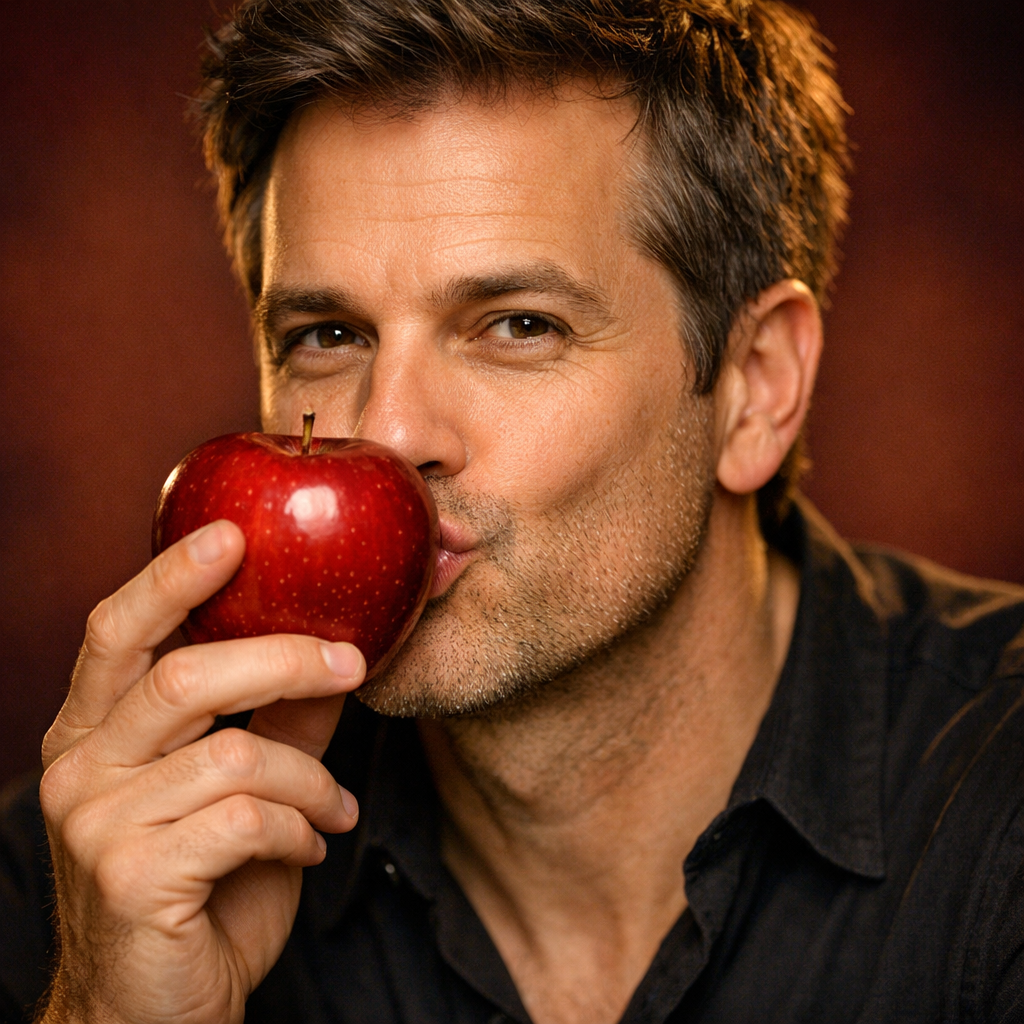
I'm going to tell you something that might sting: about 60% of people say they've ended a promising relationship because of bad kissing.
That's not a typo. More than half. One kiss, and they're done.
The uncomfortable truth is that most bad kissers have no idea they're bad kissers. Their partners are too polite to say anything, so they go on kissing the same way, wondering why things never seem to progress.
Here's the thing though: "bad kisser" isn't a permanent identity. It's a collection of habits. And habits can change. Let's identify the signs and fix them one by one.
1. You're Moving Too Fast
This is the most common mistake, and it kills more kisses than anything else.
The sign: You dive in immediately. Full intensity from second one. Your partner seems tense or pulls back slightly, but you assume they're just getting comfortable.
Why it happens: Nervousness, mostly. Excitement too. Your body is flooded with adrenaline, and you translate that energy directly into the kiss. It feels passionate to you. To them, it feels like being ambushed.
The Fix
Slow. Way. Down.
I mean it. Whatever pace feels natural to you, cut it in half. Then cut it in half again. The beginning of a kiss should feel almost tentative. Like you're asking a question, not making a statement.
Intensity builds. It doesn't start. When you begin soft and slow, you give the kiss somewhere to go. When you start at maximum, you've already peaked. There's nowhere left to climb.
2. Your Tongue Has No Chill
I've heard this described as "being attacked by a wet fish." That's not something anyone wants to experience.
The sign: You introduce tongue immediately. It goes everywhere. You've been told you're an "intense" kisser, which wasn't a compliment. People have wiped their mouths after kissing you (they think you didn't notice, but you did).
Why it happens: Movies taught us that passionate kisses involve lots of tongue. But movies lie. That dramatic, tongue-heavy kiss looks good on camera. It doesn't feel good in reality.
The Fix
Your tongue is a guest, not the host of the party.
Think of tongue as something you add, not something you lead with. Start without it. Let the kiss develop. When you do introduce it, start with just the tip, briefly. Gauge their response. If they reciprocate, you can continue. If they don't, pull back.
The rule: less is more. A hint of tongue creates anticipation. A wall of tongue creates regret.
3. You're Leaving Them Drenched
Let me be direct: if someone has to wipe their face after kissing you, something has gone wrong.
The sign: You notice excess moisture around your partner's mouth after kissing. You've seen them subtly wipe their chin. Your kisses feel... sloppy, even to you.
Why it happens: Overproduction of saliva during arousal is normal. But letting it transfer excessively to your partner is a control issue, often tied to mouth position and breathing.
The Fix
Swallow periodically. I know that sounds obvious, but in the heat of the moment, people forget. Take small breaks in the kiss (which adds nice variation anyway) and swallow.
Also, check your lip position. If you're opening your mouth too wide, saliva escapes. Keep your mouth movements controlled and intentional. You don't need to unhinge your jaw.
4. Your Hands Are Dead Weight
A kiss isn't just about lips. Your hands are telling a story too. If they're hanging at your sides like you're waiting for a bus, you're only half-kissing.
The sign: Your arms are stiff. You don't know what to do with your hands. You've maybe placed them awkwardly on someone's shoulders and just... left them there.
Why it happens: You're so focused on what your mouth is doing that you forget you have a body. Or you're unsure about boundaries and err on the side of not touching at all.
The Fix
Your hands should move with the kiss. Here's a starter menu:
- Cup their face. One hand on their cheek. This is intimate and tender.
- The back of the neck. Gentle pressure here creates instant connection.
- Their waist. Pull them closer. Close the distance between you.
- Through their hair. Gently. No grabbing.
The key is movement. Don't place your hands and leave them frozen. Let them travel. Let them respond to the intensity of the kiss. When things heat up, pull them closer. When things soften, let your touch soften too.
5. Your Breath Is Working Against You
This one is awkward to talk about, but I'd be doing you a disservice by skipping it.
The sign: Partners keep the kisses short. They offer you gum or mints frequently. They subtly turn their head during kisses to breathe.
Why it happens: Could be something you ate. Could be dehydration. Could be an underlying dental issue. Could just be normal human mouth bacteria after a long day.
The Fix
Before any date or potential kissing situation: brush your teeth, brush your tongue (crucial), and use mouthwash. Stay hydrated throughout the day. Avoid garlic, onions, and coffee if you're anticipating intimacy.
If you've done all that and there's still an issue, see a dentist. Chronic bad breath can indicate treatable conditions. This isn't vanity; it's maintenance.
6. You're Not Reading the Room
Great kissing is a conversation. Bad kissing is a monologue.
The sign: You kiss the same way every time, regardless of who you're with. You have a "style" and you stick to it. You're so focused on your technique that you miss your partner's signals.
Why it happens: You've found something that worked once and calcified it into a routine. Or you're too in your head, thinking about what you're doing instead of feeling what's happening.
The Fix
Stop performing. Start responding.
Pay attention to their rhythm. Are they kissing slowly? Match it. Are they intensifying? Go with them. When you mirror your partner, their brain registers synchronicity. It feels like connection. Like you're perfectly in tune.
This is what I call the Mirror Technique. It's covered in depth in my guide to being a better kisser, but the essence is simple: follow their lead, match their energy, and create a feedback loop of reciprocity.
7. You're Either a Statue or a Steamroller
Two opposite extremes, same problem: you're not in balance.
The sign (too passive): You just... receive. You don't initiate anything. You wait for them to do everything. Kissing you feels like kissing a pillow: pleasant but unengaged.
The sign (too aggressive): You take over completely. You control everything: the angle, the pace, the intensity. Your partner feels like a passenger, not a participant.
The Fix
If you're too passive: Take initiative sometimes. Deepen the kiss yourself occasionally. Pull them closer. Change the angle. Being enthusiastic isn't being aggressive; it's being engaged.
If you're too aggressive: Create space for them to lead. Pause. Soften. Let them set the pace for a while. A great kiss is a dance with two people taking turns leading.
The best kissers aren't assertive or submissive. They're responsive. They flow between leading and following like it's the most natural thing in the world.
The Good News
Here's what I want you to take away from this: bad kissing is fixable. Every single one of these issues can be corrected.
You're not stuck. You weren't born a bad kisser. You've just developed some habits that aren't serving you. And habits, once identified, can be changed.
Start with awareness. The next time you kiss someone, pay attention. Notice what you're doing with your hands. Notice your rhythm. Notice if you're really present or just running through a script.
Then pick one thing to work on. Just one. Maybe it's slowing down. Maybe it's using your hands more. Whatever feels most relevant to you. Focus on that until it becomes natural. For practical exercises you can try on your own, check out our guide on how to practice kissing.
Then pick the next thing.
The Final Truth
The worst kissers are the ones who think they have nothing to learn. They've decided they're fine, and they stop paying attention.
The fact that you're reading this? That you're willing to ask "am I a bad kisser?" and sit with the discomfort of the answer? That already puts you ahead of most people.
Caring enough to improve is ninety percent of the battle. The techniques are learnable. The awareness is trainable. The only thing that can't be taught is the desire to get better.
You have that. Now put it to use.