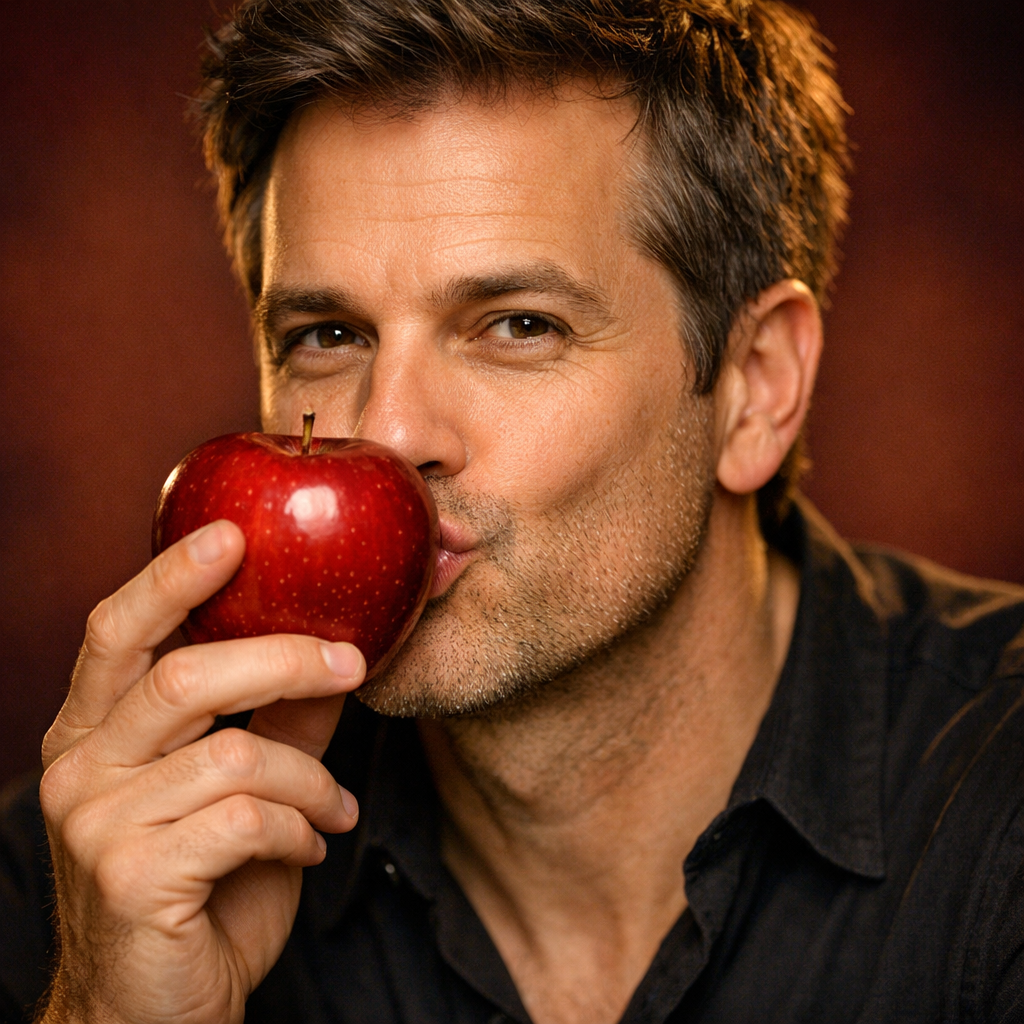
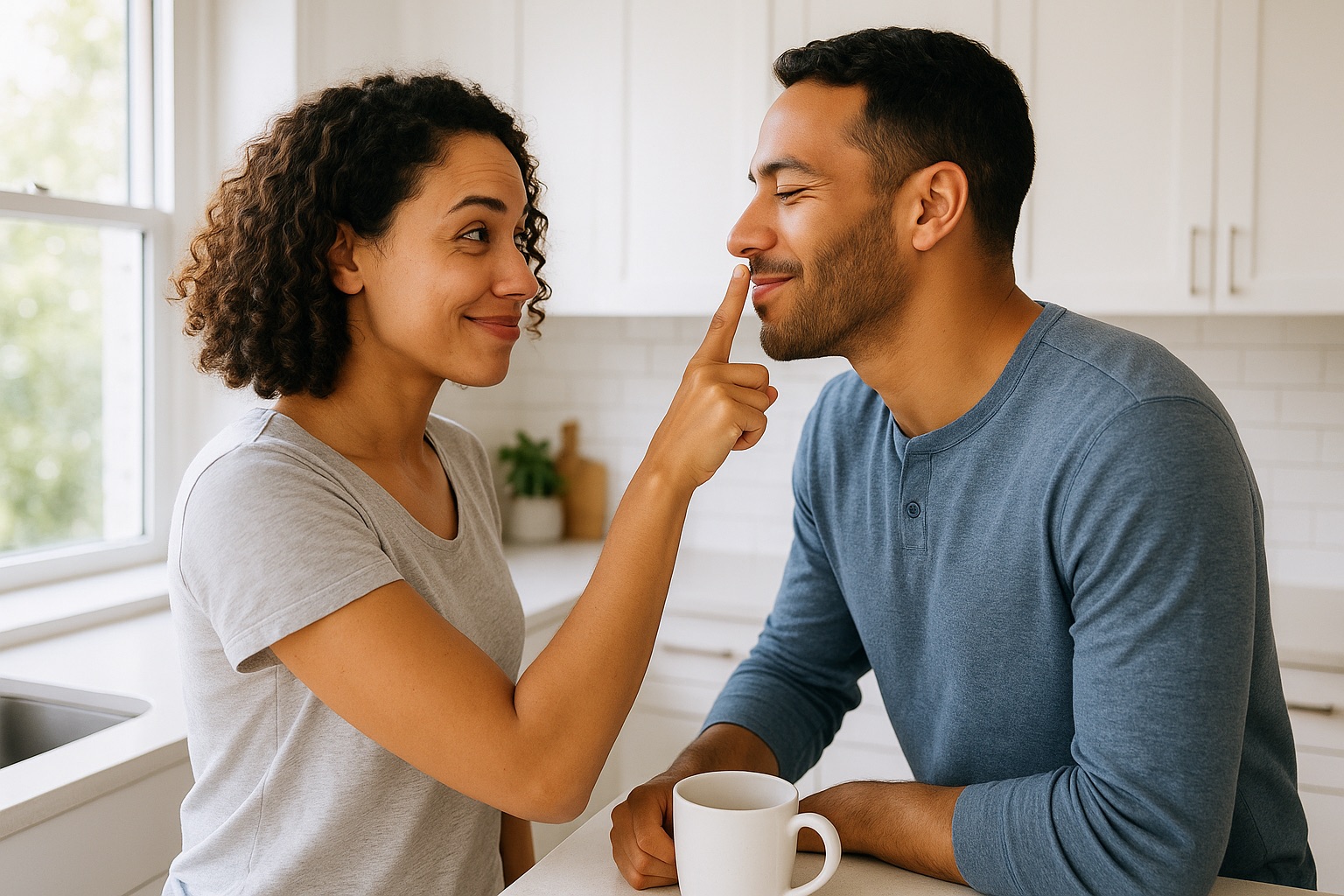
Somewhere around the third date, you realize you've been dreading the goodnight kiss more than the parking situation.
Not because the person across from you isn't attractive. Not because you're nervous. But because kissing just... doesn't do it for you. Maybe it never has. And every romcom, love song, and Valentine's Day card on the planet seems to be screaming that something is wrong with you because of it.
Here's what I need you to hear before we go any further: nothing is wrong with you.
This isn't a flaw. It isn't a phase. And it's far more common than anyone talks about. Let's get into why kissing leaves some people cold, what it actually means, and what to do with that information.
You're Not Broken (And You're Definitely Not Alone)
Here's a number that might take some pressure off: in a 2019 study published in the Journal of Sex & Marital Therapy, 21 percent of people who skipped kissing during their last sexual encounter said the reason was simple. They don't enjoy it.
Not "they forgot." Not "it didn't come up." They actively chose to skip it because kissing isn't their thing.
And that's just within Western culture, which treats kissing like oxygen. Zoom out and the picture gets even more interesting. Anthropologist William Jankowiak surveyed 168 cultures worldwide and found that only 46 percent practice romantic mouth-to-mouth kissing. More than half the world's cultures don't kiss the way Hollywood taught you to expect.
You're not broken. You're not even unusual. You're just in the minority within a culture that treats kissing as the default love language, and that minority is much larger than anyone admits.
Seven Real Reasons Kissing Doesn't Do It for You
There isn't a single explanation for why kissing falls flat. The reasons range from neurological wiring to relationship dynamics to pure personal preference. Here are the ones that actually matter.
Your Senses Are Running the Show
Let me be direct: kissing is a full sensory assault.
Wet texture on your mouth. Someone else's breath in your face. The sounds. The taste of whatever they had for lunch. For most people, the brain's reward system kicks in hard enough to override the sensory weirdness. For others? The weirdness wins.
This is especially true for people with heightened sensory processing. Folks on the autism spectrum, people with ADHD, anyone with sensory processing differences: the physical reality of kissing can feel genuinely overwhelming rather than pleasurable. Your lips contain over 100 times more nerve endings than your fingertips, which is wonderful when sensation feels good and terrible when it doesn't.
This isn't pickiness. It's neurology. Your brain processes the same physical input differently than someone who finds kissing thrilling, and that difference is real.
It Feels Too Intimate (and That's Worth Sitting With)
Here's something counterintuitive: some people who are perfectly comfortable with sex find kissing unbearable.
Mouth-to-mouth kissing requires a level of vulnerability that other forms of physical intimacy don't. You can't look away. You can't distract yourself. You're face-to-face, breath-to-breath, and there's nowhere to hide. For people with avoidant attachment styles, that kind of raw intimacy can trigger a flight response that has nothing to do with the other person.
A 2019 survey found that 20 percent of people under 30 described kissing as "too intimate" during their last sexual encounter. Not the sex. The kissing.
If kissing feels like too much exposure, that's information worth exploring. Not because you need to fix it, but because understanding where that boundary comes from gives you power over it.
A Bad Experience Left a Mark
Trauma rewires how the body responds to physical contact. A forced kiss, an unwanted advance, a childhood experience that should never have happened: these things live in the nervous system long after the conscious mind has processed them.
If kissing triggers anxiety, revulsion, or a blank numbness that you can't explain logically, there may be a past experience your body hasn't finished processing. This isn't weakness. It's your nervous system doing exactly what it was designed to do: protecting you from a situation that once felt dangerous.
Working with a therapist who specializes in somatic or trauma-informed approaches can make a genuine difference here. Not to "fix" your aversion to kissing, but to give your nervous system the safety it needs to make a new decision.
You're on the Asexual or Aromantic Spectrum
Asexuality is a spectrum, and some people on it experience little or no desire for physical intimacy that includes mouth-to-mouth contact. This isn't a disorder. It's an orientation.
Touch-averse asexuality is real. Aromantic orientation is real. And neither one means you're incapable of deep connection, love, or satisfying relationships. It means your wiring sends you toward different expressions of closeness, and that is genuinely, completely fine.
If the idea of kissing has always felt foreign rather than appealing, and that feeling extends to most forms of physically intimate contact, it might be worth exploring communities like AVEN (Asexual Visibility and Education Network) where people talk openly about these experiences. You might find the language for something you've always felt but couldn't name.
Your Body Chemistry Changed
This one catches people off guard. You used to love kissing. Then something shifted.
SSRIs and other antidepressants can dull physical sensation, reduce libido, and alter taste perception. Antihistamines cause dry mouth that makes kissing uncomfortable. Hormonal changes from birth control, pregnancy, perimenopause, or testosterone shifts can rewire what feels pleasurable and what feels like nothing.
If your relationship with kissing changed around the same time as a medication change or hormonal shift, that's probably not a coincidence. Talk to your doctor. There are often alternatives that don't carry the same sensory side effects.
The Relationship Shifted Before the Kiss Did
Here's the one nobody wants to hear.
Sometimes kissing stops feeling good because the relationship stopped feeling safe. Resentment, emotional distance, unresolved conflict, or a slow erosion of trust can make your body withdraw from intimate contact before your conscious mind catches up.
The research backs this up. The Gottman Institute's work on long-term couples shows that kissing frequency drops dramatically when emotional connection deteriorates. Not because people get lazy, but because the body protects itself from vulnerability with someone it no longer fully trusts.
If kissing your specific partner feels wrong but the idea of kissing in general doesn't, that distinction matters. A lot.
You Just Don't Like It (Full Stop)
And then there's this: sometimes a cigar is just a cigar.
Some people don't enjoy roller coasters. Some people don't like spicy food. Some people find kissing uninteresting, mildly unpleasant, or simply not worth the hype. There doesn't have to be a trauma behind it. There doesn't have to be a diagnosis. Some preferences are just preferences.
Remember that 46 percent figure? More than half of human cultures didn't independently develop romantic kissing. It's not a biological imperative. It's one of many possible ways humans express affection, and if it's not yours, that's legitimate.
"I Used to Love Kissing. What Happened?"
This question hits differently than "I've never liked kissing." If something changed, it's worth figuring out what.
Three common culprits:
A medication or hormonal shift. If the timeline matches, start there. This is the most common cause of a sudden change in how kissing feels, and it's often the easiest to address.
The relationship lost its charge. Kissing is one of the first intimacies to go when emotional connection fades. If you still find the idea of kissing appealing but kissing this particular person feels flat, that's your relationship talking, not your preferences.
You grew into yourself. Sometimes people spend years performing enjoyment of things they were "supposed" to like. As you get older and more honest with yourself, the performance drops. What feels like a change might actually be clarity.
The distinction matters because the response is different for each one. A medication issue needs a medical conversation. A relationship issue needs a relationship conversation. And growing into your real preferences? That just needs acceptance.
Can a Relationship Work Without Kissing?
Yes. Full stop. Next question.
I'm being flippant, but I mean it. Plenty of deeply connected, satisfying, long-lasting relationships exist without mouth-to-mouth kissing. The idea that a "real" relationship requires a specific physical act is a cultural script, not a law of nature.
What relationships do require is intimacy, and intimacy takes many forms. Forehead kisses. Sustained eye contact. Physical proximity. Synchronized breathing. The right touch during a hug that says more than any kiss could. Love languages are a useful framework here: if your partner's primary language is physical touch and yours is quality time, there are infinite ways to meet in the middle that don't involve your mouth.
The real question isn't "can it work?" It's "are both people willing to communicate honestly about what they need?" Which brings us to the hard part.
How to Tell Your Partner You Don't Like Kissing
This conversation is terrifying. I know. But avoidance is worse, because your partner is already noticing. They're interpreting your pulling away as rejection, disinterest, or a sign that the relationship is failing. Silence doesn't protect them. It just lets them write a worse story than the truth.
Here's a framework that works:
Lead with what you do want, not what you don't. "I love being close to you, and I want to find the ways of being physical that feel amazing for both of us" lands completely differently than "I don't like kissing you."
Be specific about what feels good. Neck kisses? Forehead contact? Holding their face? Fingers through their hair? Give them something to move toward, not just something to grieve.
Name the reason if you know it. "I've always been sensitive to textures and oral contact is overwhelming for me" is a thousand times easier to hear than a vague "I'm just not into it." Specificity removes the sting of rejection.
Make space for their feelings. They might be hurt. That's valid. They get to feel that, and you get to hold your boundary. Both things can be true simultaneously.
When It Might Be Worth Exploring Further
Not every kissing aversion needs to be "worked on." But some do, and here's how to tell the difference.
If it's causing you distress: If you want to enjoy kissing and feel frustrated or broken because you don't, that's worth exploring with a therapist.
If it showed up suddenly: A change in how kissing feels, especially if it coincides with a life event, medication change, or relationship shift, is worth investigating rather than accepting.
If it's connected to anxiety or intrusive thoughts: OCD-spectrum contamination fears can manifest as a kissing aversion. If the thought of someone else's saliva triggers genuine anxiety rather than mild distaste, that's treatable.
If trauma is involved: You don't have to push through trauma responses alone. Somatic experiencing, EMDR, and other approaches can help your nervous system relearn that intimacy is safe.
But if you've always felt this way, you're not distressed about it, and your relationships are working? Leave it alone. Not everything needs to be optimized. Some things are just you.
The best kiss is the one that both people actually want to be having. And if that kiss is on the forehead instead of the mouth, it still counts.
Frequently Asked Questions
Is it normal to not like kissing?
Completely. A 2019 study found that 21 percent of people actively skip kissing because they don't enjoy it. Across 168 cultures worldwide, more than half don't practice romantic kissing at all. Disliking kissing is more common than the culture around you suggests.
Can you be in love and not like kissing?
Absolutely. Love and kissing are related but separate. Many deeply bonded couples maintain rich physical and emotional intimacy without mouth-to-mouth contact. Love expresses itself through countless channels; kissing is just one of them.
Is not liking kissing a sign of asexuality?
It can be, but it isn't always. Some asexual people are comfortable with kissing; some allosexual people dislike it. Kissing aversion alone doesn't determine orientation. If you're curious, exploring the asexual spectrum can help you understand your full experience better.
Why did I stop liking kissing my partner?
The most common causes are medication side effects (especially SSRIs), hormonal shifts, or emotional distance in the relationship. If the change was sudden, check whether anything else shifted around the same time. If it was gradual, it may reflect an evolving relationship dynamic worth addressing.
How do I tell someone I don't want to kiss?
Lead with affection, not rejection. Express what you do enjoy physically, name the reason if you know it, and give your partner space to process. Honest, specific communication protects the relationship better than avoidance ever will.
Is there a phobia of kissing?
Yes. Philemaphobia (sometimes spelled philematophobia) is a recognized anxiety around kissing. It can stem from germaphobia, past trauma, or generalized anxiety. If the fear is severe enough to impact your relationships or wellbeing, a therapist who specializes in phobias can help.